Global Expansion Patterns in Sports Wagering Markets
Quinn Perry · Aug 25, 2026

Global Expansion Patterns in Sports Wagering Markets
Markets for sports wagering continue to expand across multiple continents as digital platforms integrate with established leagues in football, tennis, basketball, and horse racing, while data from August 2026 indicates steady growth in active accounts and transaction volumes in regions outside traditional strongholds. Regulators in North America, Europe, and Asia-Pacific have adjusted licensing frameworks to accommodate mobile applications that support real-time odds adjustments during live events, and operators respond by expanding product lines that combine pre-match selections with in-play features.
Regulatory Adjustments Across Regions
Authorities in Canada implemented updated provincial rules earlier in 2026 that require operators to maintain separate accounts for each jurisdiction, whereas Australian state commissions introduced mandatory responsible gambling tools including deposit limits and session reminders that must activate within the first hour of activity. Observers note these changes align with broader efforts to balance revenue collection against consumer protection standards, and similar measures appear in several South American countries where lawmakers passed legislation authorizing online sports books under strict taxation schedules. Researchers at academic institutions have tracked compliance rates through public filings, and findings show higher adoption of verification systems in markets that tie licensing renewals to audit outcomes.
Technological Integration and User Experience
Platforms now embed advanced algorithms that personalize odds displays based on historical user selections, yet these systems operate within frameworks that log every interaction for regulatory review. Integration with wearable devices allows bettors to receive notifications tied to live statistics feeds, and developers continue refining interfaces that support accumulator construction across different sports without requiring separate logins. Data compiled by industry groups reveals that sessions involving multiple event types, such as pairing tennis sets with basketball quarters, account for a growing share of total handle in several licensed markets.
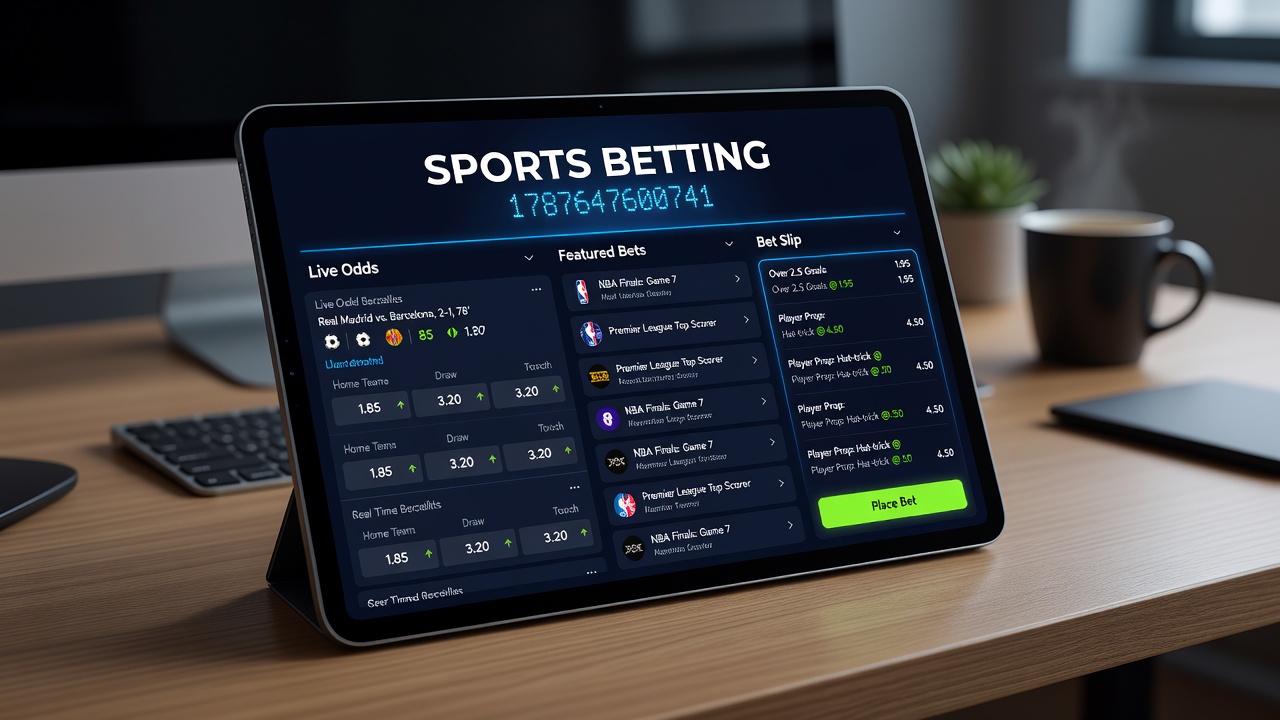
Payment processors have expanded support for instant settlement methods that comply with local banking regulations, while blockchain-based transaction logs gain traction in jurisdictions seeking transparent audit trails. Those who monitor platform performance report that latency reductions in live betting interfaces correlate with increased participation during major tournaments, and software updates released around major events often include enhanced visualization tools for tracking accumulator progress.
Market Data and Participation Trends
Figures released by the Canadian Gaming Association in mid-2026 show sports wagering revenue surpassing previous quarterly benchmarks, driven primarily by mobile channels rather than retail locations. Parallel reports from the National Council on Problem Gambling in the United States highlight steady increases in self-exclusion enrollments alongside overall market expansion, indicating that support services scale in tandem with participation. Horse racing operators in Asia-Pacific regions have introduced hybrid products that link trackside results with international basketball and football fixtures, creating accumulator options that span multiple time zones.
Studies conducted by university research teams indicate that bettors who engage across several sports tend to maintain longer account activity periods compared with those focused on single events, and this pattern holds across different regulatory environments. Payment data from licensed operators further demonstrates that bonus structures tied to multi-sport selections influence deposit frequency, although exact conversion rates vary by jurisdiction and promotion type.
Conclusion
Patterns observed through August 2026 suggest continued adaptation of sports wagering frameworks to accommodate technological capabilities while meeting diverse regulatory requirements across global markets. Participation metrics reflect broader access via mobile channels, and cross-sport products remain a consistent feature of operator offerings. Ongoing data collection by government agencies and industry associations provides the basis for monitoring these developments as licensing models evolve in response to participant behavior and economic conditions.