Post-Tournament Report Examines Betting Trends from 2026 World Cup Decided by Spain Over Argentina
Klara Keller · Aug 23, 2026
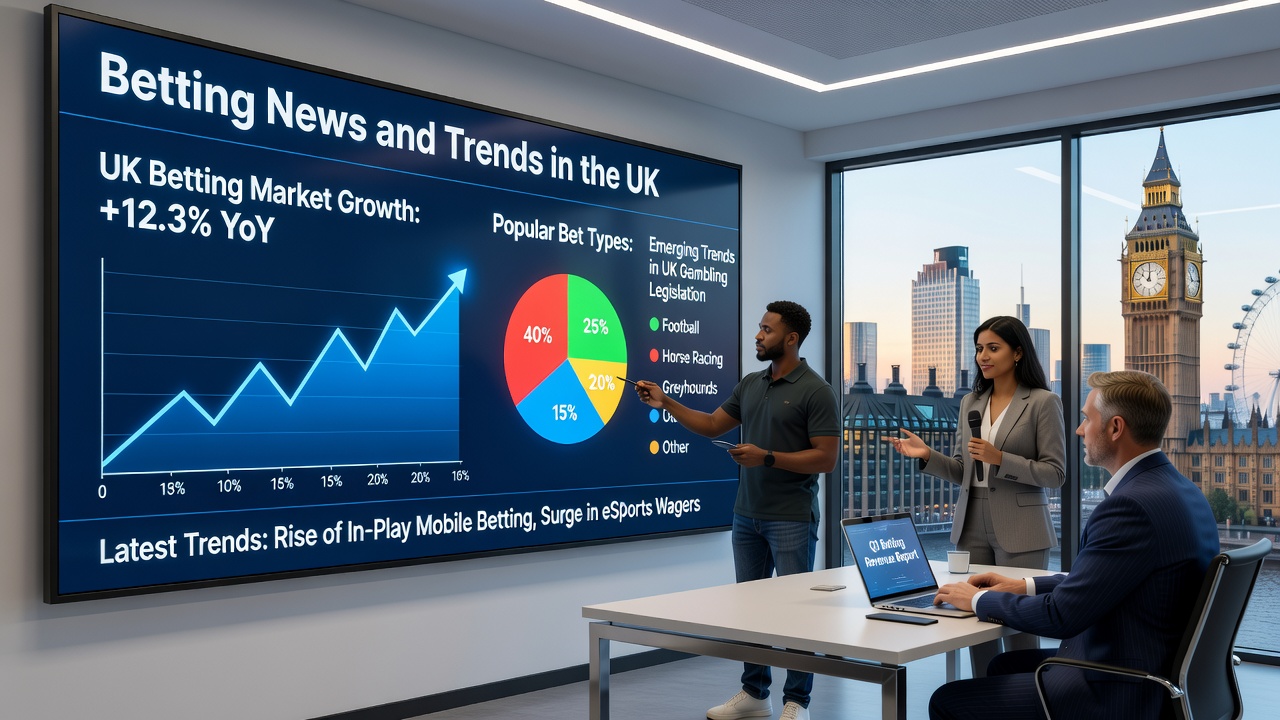
Post-Tournament Report Examines Betting Trends from 2026 World Cup Decided by Spain Over Argentina
The iGB post-tournament analysis covers betting activity across the 2026 FIFA World Cup, an event won by Spain in extra time against Argentina, and draws on multiple industry datasets to review fan sentiment, profitability, and operator takeaways. The report examines how regulated markets performed compared with previous tournaments while highlighting variations in stakes, margins, and popular betting options across different stages of the competition.
Key Findings on Regulated Stakes in France
Regulated stakes in France more than doubled compared with the 2022 tournament, according to figures compiled in the iGB review. This increase occurred alongside broader data collection from geolocation tools and operator records that tracked where bets originated and which matches attracted the highest volumes. Observers note that such growth aligns with expanded licensing frameworks that have been in place since earlier regulatory updates, allowing clearer measurement of activity within legal channels.
Those reviewing the datasets point out that turnover patterns shifted noticeably between the group stage and knockout rounds, with certain high-profile fixtures generating concentrated interest. The analysis incorporates information from several sources to map these changes without relying on single-operator perspectives.
Margin Variations Across Tournament Stages
Betting margins showed clear differences by stage, with the final producing roughly six times the margin of the average group-stage match even though its share of overall turnover remained relatively low. Researchers who compiled the numbers explain that this outcome stems from a combination of lower overall volume in the decisive game and adjusted pricing structures that operators applied to late-stage contests. Data indicates similar margin patterns appeared in other knockout matches, though the final stood out as the clearest example.
Geolocation records further illustrate how bettors distributed activity across markets, including match-winner selections, goal totals, and player-specific props. The report connects these elements to broader profitability metrics that operators track after major events, showing how margin differences influence end-of-tournament results.
Insights from Geolocation and Operator Data
Geolocation and operator datasets reveal which matches drew the strongest engagement and which betting markets performed best in different regions. Popular fixtures included several group-stage encounters involving European sides as well as the later knockout games that featured Spain and Argentina. The analysis notes that certain markets, such as in-play goal scorers and handicap options, accounted for elevated portions of turnover once the tournament reached the round of 16.
Platform and network figures referenced in the report, including contributions from sources such as Softswiss, help contextualize how operators adjusted offerings in real time. These datasets allow comparison of pre-tournament expectations against actual outcomes, particularly around sentiment indicators derived from betting volumes on specific teams. August 2026 saw the release of this consolidated view, giving operators and regulators a unified picture shortly after the final whistle.
Operator Takeaways and Dataset Integration
Operators reviewing the combined datasets gain visibility into how fan engagement translated into measurable activity across regulated markets. The report integrates statistics on turnover share, margin realization, and regional variations to identify patterns that repeated from earlier World Cups while also noting developments unique to 2026. For instance, the doubling of stakes in France stands as one clear shift, while the margin differential between early and late stages provides another point of comparison.
Those examining the full set of numbers can track how geolocation accuracy improved identification of high-performing markets and how operator pricing responded to live developments. The analysis stops short of forecasting future events yet supplies the raw material for such projections through its structured presentation of past performance.
Conclusion
The iGB post-tournament analysis supplies a detailed record of betting activity during the 2026 FIFA World Cup, emphasizing measurable changes in French regulated stakes, margin differences between the final and group stage, and insights drawn from geolocation alongside operator records. By compiling these elements into one review, the report offers operators and industry observers a factual baseline for understanding how the tournament unfolded from a betting perspective.