Punters' Playground: Fresh Trends and Headlines Reshaping UK Betting
Quinn Perry · Mar 24, 2026

UK Gambling Market Shifts in Q4 2025: Slots Surge While Sports Betting Slumps, Commission Data Reveals
The Latest Snapshot from the Gambling Commission
Operators submitted data up to December 2025, and the UK Gambling Commission released its market overview in February 2026, painting a picture of a sector navigating regulatory changes and changing player behaviors; total online Gross Gambling Yield (GGY) dipped 2% year-on-year to £1.5 billion in the fourth quarter, a figure that captures the push and pull between declining traditional bets and rising digital slots activity.
What's interesting here is how real event betting, which includes sports like football and horse racing, took the biggest hit, plummeting 18% to £530 million, while online slots countered that trend with a solid 10% increase to £788 million and a 7% uptick in spins; those numbers reflect operators' data straight from the source, showing players gravitating toward slots even as broader online yields softened.
And as March 2026 rolls around, with regulators keeping a close eye on these shifts, the data underscores the immediate effects of 2025's stake limits, which kicked in mid-year and reshaped both online and offline landscapes.
Online Trends: Slots Spin Ahead as Sports Fade
Online slots grabbed headlines in the report, not just for that 10% GGY jump to £788 million but because spins rose 7%, signaling sustained engagement despite tighter rules; the £5 stake limit for online slots landed in April 2025, yet players adapted quickly, keeping activity levels robust while real event betting struggled to hold ground.
Take real event betting: down 18% to £530 million, it dragged the overall online total lower, a drop experts attribute to seasonal factors combined with the new regulations, although other online segments like casino games held steadier; data indicates this category, encompassing everything from Premier League matches to Grand National races, faced headwinds that offline venues echoed in their own declines.
But here's the thing: total online GGY at £1.5 billion still represents a massive chunk of the market, and the slots resilience highlights how players pivot when limits bite, with spins data showing no signs of slowing even post-limit.
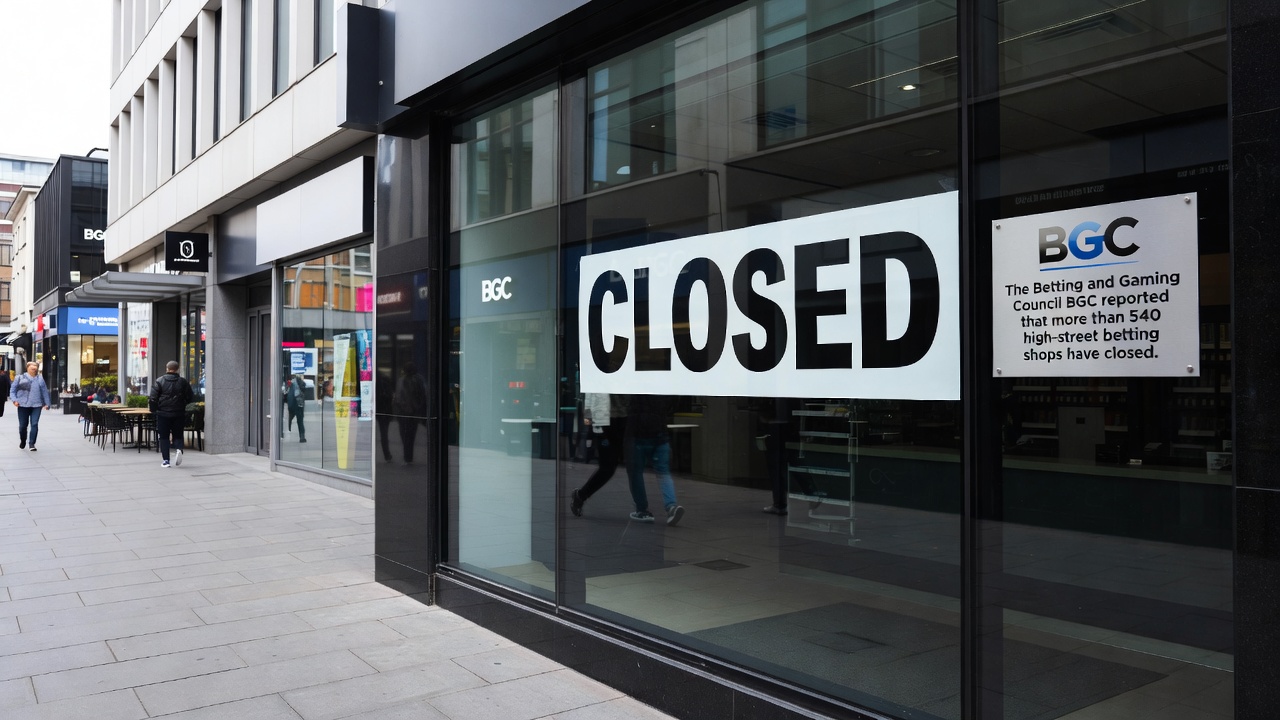
Offline Betting Premises Feel the Squeeze
Offline GGY for betting premises fell 7% to £549 million, a decline fueled by drops in both over-the-counter wagers and self-service betting terminals (SSBTs), where activity slowed under the weight of regulatory tweaks; the £2 stake limit for ages 18-24 arrived in May 2025, layering onto the online changes and hitting high-street bookmakers right where it hurt.
Observers note that over-the-counter betting, once a staple for casual punters chatting odds with staff, saw volumes shrink, while SSBTs, those touch-screen machines in corners of betting shops, mirrored the trend with reduced usage; combined, these shifts pulled offline totals down, although some venues reported steady footfall in non-betting areas like hospitality.
Turns out the dual stake limits—£5 online slots in April, £2 for young adults offline in May—created a ripple effect across channels, prompting operators to rethink shop layouts and promotions; figures reveal SSBT GGY specifically dropped amid fewer high-stakes sessions, yet the overall premises yield held above half a billion, a testament to the sector's entrenched presence.
One case from the data stands out: certain chains saw over-the-counter bets halve in volume post-limit, but that's where adaptation kicked in, with some shifting focus to lower-stake, higher-volume plays.
Stake Limits' Direct Impact Unfolds
New rules reshaped the market profoundly, starting with the April 2025 £5 online slots cap, which curbed maximum wagers per spin and correlated with that 10% slots GGY rise through sheer volume; spins climbed 7%, as players chased wins with more frequent, smaller bets, a pattern researchers have observed in prior limit introductions elsewhere.
Then came May's £2 limit for 18-24 year-olds on offline terminals, targeting vulnerability in a demographic prone to impulse bets; data shows this group dialed back sessions sharply, contributing to the 7% premises GGY fall, while over-25s adjusted less dramatically, keeping some baseline activity alive.
It's noteworthy that these changes didn't crater the market outright—in fact, online slots thrived—but they did accelerate the shift from sports and terminals to slots, with total online GGY only off 2% despite the 18% real event plunge; as of March 2026, commissions continue monitoring compliance, with early audits showing most operators aligned swiftly.
People who've studied past reforms, like Australia's machine caps, often discover similar pivots: volume up, stakes down, yields mixed but sustainable.
Broader Market Dynamics at Play
Beyond the headline numbers, the report dives into segment breakdowns, revealing how non-real event online betting stabilized around prior levels, cushioning the sports slump; total GGY across online channels hit £1.5 billion, but that masks the drama: £530 million for real events versus £788 million slots dominance.
Offline, the £549 million premises figure breaks down further, with SSBTs bearing much of the 7% decline alongside over-the-counter slips; experts tracking high streets point to fewer peak-time crowds, although World Cup qualifiers and holiday racing kept some buzz alive into December.
And while stake limits dominate chatter, seasonal softness in Q4 sports—post-summer leagues, pre-new year surges—amplified the drops, a pattern data confirms year after year; yet slots' 7% spin growth bucks that, drawing in players with flashy themes and jackpots untouched by limits on base stakes.
Now, with February 2026's release fresh and March bringing quarterly reviews, the sector eyes Q1 2026 for rebound signs, especially if major events like Cheltenham or Euro qualifiers reignite real event fire.
There's this one notable aside: operator submissions, verified by the Commission, ensure accuracy, although self-reported data always invites scrutiny on edges like bonus plays or peer-to-peer bets excluded here.
Key Figures in Context
- Total online GGY: £1.5 billion, down 2% YoY.
- Real event betting: £530 million, minus 18%.
- Online slots: £788 million GGY (up 10%), spins up 7%.
- Offline premises GGY: £549 million, down 7%.
- Influencers: £5 online slots limit (April 2025), £2 for 18-24s offline (May 2025).
These stats, pulled from operator returns, offer a granular view, and when stacked against Q3's steadier numbers (from prior reports), the Q4 dip sharpens focus on limits' bite; sports betting's 18% fall stands out starkly against slots' gains, underlining player migration.
So, betting shops grapple with terminal tweaks, online platforms lean into slots scalability, and regulators like the Commission watch yields for sustainability.
Conclusion
The Q4 2025 data up to December reveals a UK gambling market in flux, where online slots' 10% GGY rise to £788 million and 7% spin increase offset an 18% plunge in real event betting to £530 million, landing total online yields at £1.5 billion after a 2% dip; offline premises mirrored caution with a 7% drop to £549 million, tied to stake limits that reshaped wagers from April and May 2025 onward.
As March 2026 progresses, this overview sets the stage for ongoing adaptation, with operators fine-tuning amid regulatory scrutiny and players chasing value in slots over slumping sports; the reality is clear in the figures—a sector resilient yet recalibrating, where limits curbed extremes but volume filled gaps, keeping GGY substantial across boards.
Those poring over the details find patterns echoing global trends: regulated restraint spurs innovation, and that's where the rubber meets the road for UK gambling's next chapter.