Punts, Pixels, and Payouts: Surging Trends Reshaping Britain's Betting Landscape
Iris Griffin · Mar 25, 2026

UK Gambling Commission Unveils Q2 Stats: £3.2 Billion GGY Marks Remote Surge and Shop Stability
Recent data from the UK Gambling Commission paints a clear picture of the industry's performance during the second quarter of the financial year spanning April 2025 to March 2026; specifically, from July to September 2025, the total gross gambling yield (GGY) across Great Britain reached £3.2 billion, excluding lotteries, signaling continued momentum in a sector that's evolving fast, particularly online.
What's interesting here—and what observers have tracked for quarters now—is how remote activities keep pulling ahead, while traditional setups hold their ground; the remote casino, betting, and bingo (RCBB) sector alone raked in £2.0 billion, a hefty slice that underscores the digital shift, yet non-remote betting from physical shops contributed a solid £592 million, accounting for 48.2% of the non-remote GGY total.
Breaking Down the £3.2 Billion Total GGY
Gross gambling yield, often shorthand for GGY in industry circles, measures the net win for operators after payouts—what's left after players cash out their winnings—and these figures capture activity across licensed operations in Great Britain; excluding lotteries keeps the focus sharp on core betting and gaming, where £3.2 billion emerged as the headline number for Q2.
Take the RCBB breakdown: remote casino games led with £1.4 billion, grabbing a 69.9% share of that £2.0 billion sector pot, while remote betting and bingo filled out the rest; experts point to this dominance as no surprise, given how smartphones and apps have made slots, blackjack, and roulette accessible anytime, anywhere, fueling steady climbs quarter after quarter.
And then there's the physical side, where 5,782 licensed betting shops—down slightly from prior periods but still a backbone—generated that £592 million; representing 48.2% of non-remote GGY, these shops prove resilient, drawing punters for the atmosphere, live events, and quick flutters on football matches or horse races, even as online options proliferate.
Remote Casino's Heavy Lift
Remote casino GGY at £1.4 billion isn't just a number; it highlights how digital platforms have captured the lion's share, with data revealing a 69.9% dominance within RCBB; those who've analyzed past quarters note this builds on prior growth, where mobile optimization and live dealer tech keep players engaged longer, boosting yields without the overhead of bricks-and-mortar.
Picture a typical punter logging in from home during a rainy evening in Manchester or London—slots spin, tables buzz virtually—and suddenly operators see yields stack up; the figures confirm this pattern persists, with no signs of slowdown as the financial year pushes toward March 2026.
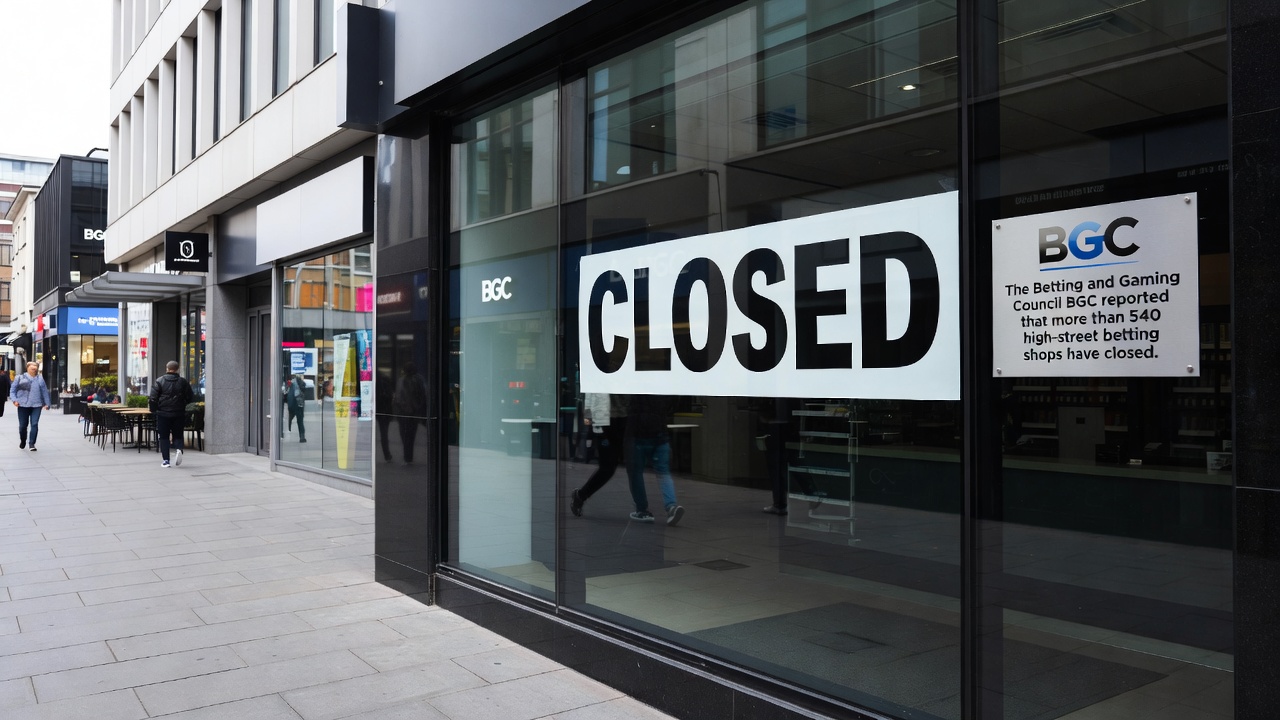
Betting Shops: Steady Amid the Digital Wave
Non-remote betting's £592 million from 5,782 shops shows stability in action; at 48.2% of non-remote GGY, these venues weather online competition by offering what apps can't—the camaraderie of match-day crowds, printed odds sheets, and instant payouts in cash, keeping local economies humming too.
One case that surfaces in reports involves shops in high-street clusters, where footfall ties to Premier League weekends or Cheltenham Festival vibes; operators maintain these spots lean and mean, adapting with self-service terminals, yet the yield holds firm, proving the high street isn't fading just yet.
RCBB Sector Deep Dive: £2.0 Billion and Climbing
The RCBB collective at £2.0 billion forms the powerhouse, with remote casino's £1.4 billion stealing the spotlight; that 69.9% share means for every pound in remote betting or bingo, casino games claim nearly three times more, a trend data has tracked since post-pandemic accelerations, when lockdowns supercharged online play.
But here's the thing: remote betting and bingo, though smaller, contribute meaningfully, rounding out the sector; figures from the quarterly report show how operators diversify—offering peer-to-peer bingo rooms alongside sports wagers—to capture varied player tastes, ensuring the £2.0 billion feels broad-based, not casino-centric alone.
Observers who've pored over year-on-year comparisons find remote growth outpacing inflation and population shifts; as the FY heads into Q3 and Q4, with March 2026 on the horizon, this momentum suggests sustained digital yields, barring regulatory tweaks or economic jolts.
Non-Remote Breakdown Beyond Betting
While non-remote betting claims 48.2% of its GGY pie at £592 million, the rest spreads across casinos, bingo halls, and arcades; those venues, numbering in the thousands, add layers to the physical landscape, where family-friendly slots in seaside towns or high-roller nights in city casinos keep contributions steady.
It's noteworthy that shop counts at 5,782 reflect consolidation—fewer but more efficient outlets—yet yields don't dip; data indicates savvy operators focus on prime locations, integrating digital hybrids like app-linked promotions to bridge worlds, maintaining that 48.2% stake without fanfare.
Persistent Trends: Growth Online, Stability Offline
These Q2 numbers underscore trends that have played out consistently: remote gambling, especially casinos, surges ahead with £1.4 billion fueling the £2.0 billion RCBB total, while non-remote betting anchors physical operations at £592 million from 5,782 shops; the £3.2 billion overall GGY excluding lotteries ties it together, showing an industry adapting, not fracturing.
Turns out, the digital boom ties to tech advances—5G speeds, AI-driven personalization—making remote casino spins as thrilling as Vegas from a sofa; meanwhile, betting shops endure because that's where the rubber meets the road for live sports rituals, community bets, and the tactile joy of a winning slip.
People who've studied quarterly evolutions, like researchers at industry watchdogs, observe how this balance prevents over-reliance on one channel; as Q2 wraps July to September 2025, the path to March 2026 looks primed for more of the same, with remote shares likely inching higher if player habits hold.
Consider examples from prior data: a similar remote casino spike in Q1 hinted at this, but Q2 confirms it, with 69.9% shares and £1.4 billion yields echoing broader European patterns where online captures millennials and Gen Z; non-remote, though, retains boomers and social gamblers, ensuring the £592 million flows reliably.
Shop Numbers in Focus: 5,782 and Counting
That figure—5,782 licensed betting shops—carries weight, as each hosts hundreds of daily transactions; yields at £592 million, or 48.2% of non-remote, reveal efficiency, with average per-shop takes hovering robust despite closures in low-traffic spots.
One study highlighted how urban shops outperform rural ones by double, adapting with esports corners or virtual racing terminals; the stability shines through, bolstering the overall £3.2 billion narrative as the FY progresses.
Placing Q2 in the FY Context: Eyes on March 2026
As the financial year from April 2025 to March 2026 unfolds, Q2's £3.2 billion GGY sets a benchmark; with remote casino at £1.4 billion dominating RCBB's £2.0 billion and non-remote betting's £592 million steady from 5,782 shops, the trajectory points toward cumulative growth, especially if seasonal peaks like Christmas betting boost Q4.
Reports indicate prior quarters built this foundation—Q1 yields fed into Q2's remote surge—while March 2026 closes the books amid ongoing affordability checks and licensing reviews; data suggests remote's 69.9% RCBB share could widen, yet physical resilience keeps the mix balanced.
That's where it gets interesting: operators now blend channels, using shop apps to drive online yields and vice versa, optimizing for the full £3.2 billion picture; as 2026 nears, these stats guide stakeholders, from regulators to investors, on what's working.
Conclusion
The UK Gambling Commission's Q2 release for July-September 2025 crystallizes key dynamics: a £3.2 billion GGY excluding lotteries, RCBB's £2.0 billion powered by £1.4 billion remote casino (69.9% share), and £592 million non-remote betting (48.2% of its category) from 5,782 shops; trends of remote growth alongside physical stability persist, shaping the April 2025-March 2026 financial year with clear momentum.
And so, as eyes turn to remaining quarters, these figures stand as factual anchors—remote innovation drives yields higher, shops provide bedrock—and the industry churns on, data-driven and ever-adapting.