Rising Visits to Unlicensed Betting Platforms Reshape UK Market Patterns
Sam Werner · Nov 9, 2026
Rising Visits to Unlicensed Betting Platforms Reshape UK Market Patterns
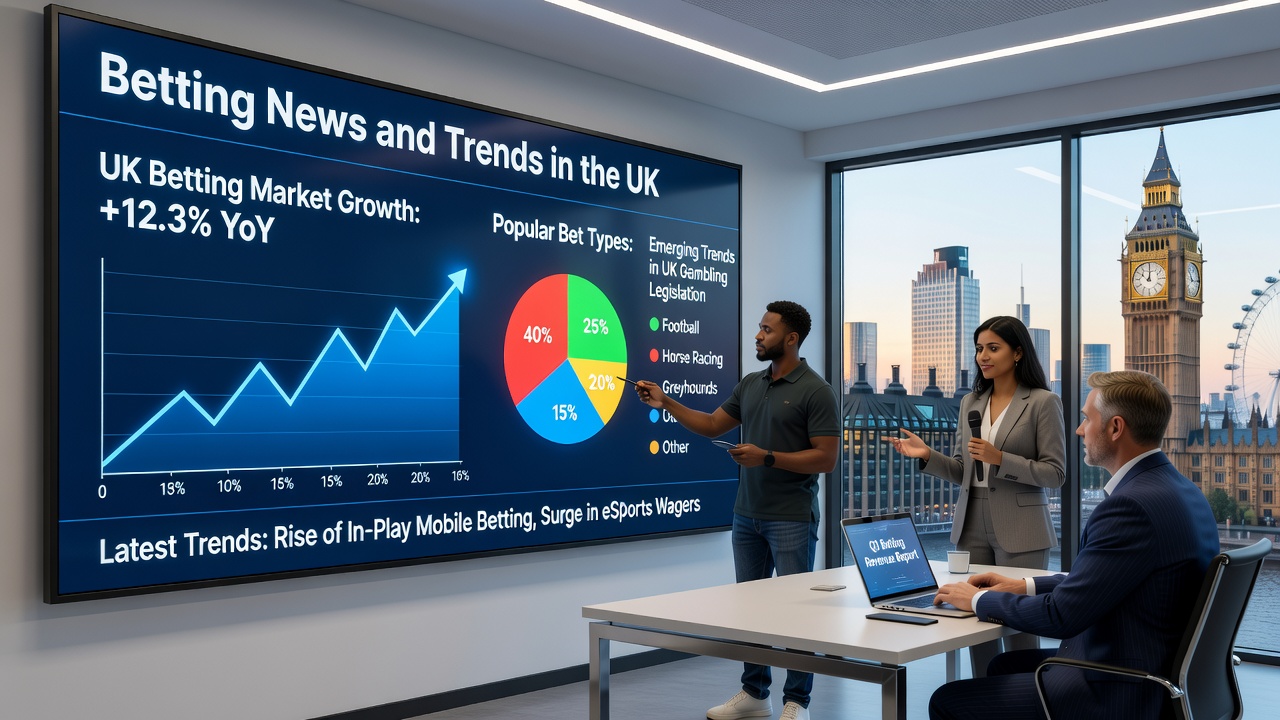
The International Federation of Horseracing Authorities examined traffic across 301 betting websites, including 74 licensed and 227 unlicensed platforms, and the results show unlicensed sites captured 19.4 visits for every 100 visits to licensed sites during the first seven months of 2026, a ratio that stood near one per 100 in late 2021.
Monthly unique visits to the sampled unlicensed sites climbed from 1.8 million in 2022 to more than 25 million in 2025, representing a 14-fold increase, while average visit duration on those platforms rose 32 percent between late 2024 and July 2026, with users also viewing additional pages per session.
Traffic Patterns Across Licensed and Unlicensed Sites
Researchers compiled the data from a broad sample of sites that accept bets on horse racing and other sports, and they tracked visitor behavior through the early part of 2026 to compare engagement levels, finding that unlicensed platforms drew a growing share of total traffic even as licensed operators maintained regulatory oversight.
One study segment tracked how visitors interacted with each category of site, revealing that unlicensed destinations recorded higher dwell times and deeper navigation, patterns that persisted across multiple months despite periodic enforcement steps taken by the UK Gambling Commission.
Enforcement Steps and Their Reach
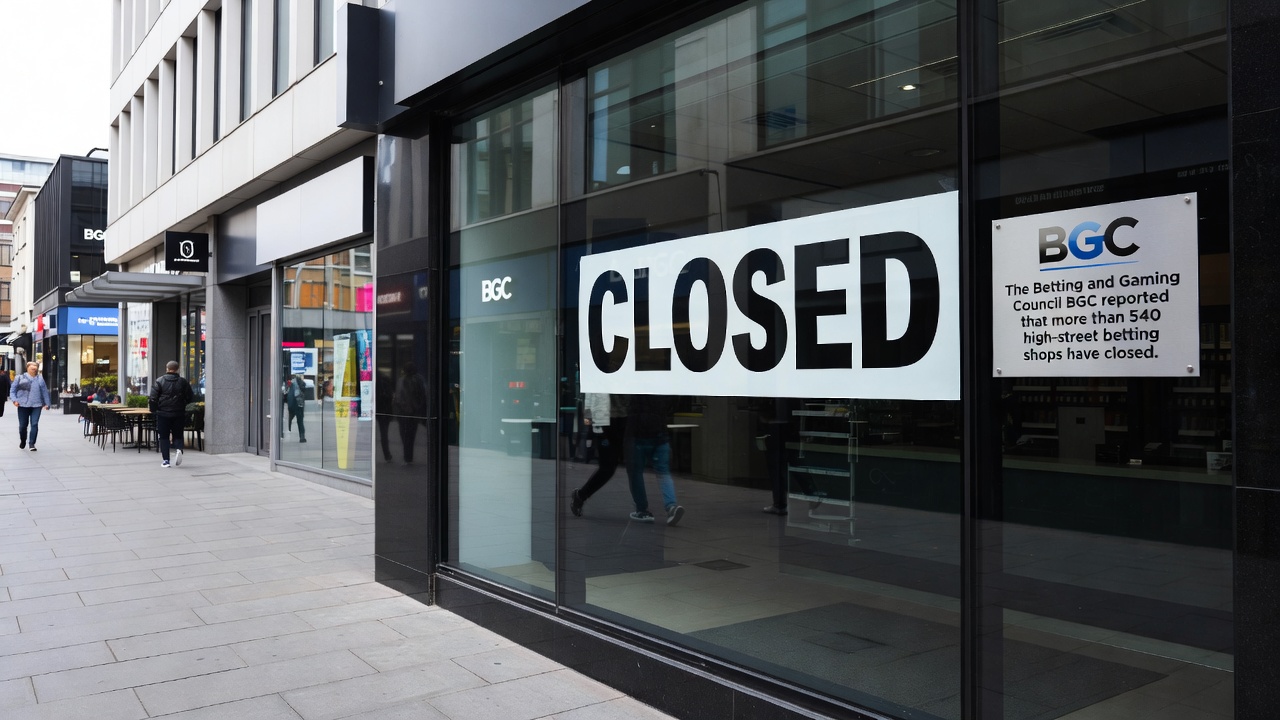
The UK Gambling Commission has pursued blocking orders and other measures against certain unlicensed operators, yet the IFHA analysis indicates those actions produced only temporary dips in traffic before numbers rebounded, leaving overall volumes on unlicensed sites largely intact through mid-2026.
Data collected through July 2026 shows that while some individual domains experienced reduced access, new or redirected unlicensed platforms absorbed the displaced visits, sustaining the upward trajectory observed since 2022.
Implications for Funding and Protections
Industry observers note that the shift in traffic volumes carries consequences for racing funding streams, because levies and contributions typically flow through licensed channels, and the report links sustained unlicensed growth to potential shortfalls in those revenue streams.
Consumer protection frameworks also face strain when larger audiences migrate to sites outside regulatory reach, since those platforms operate without the same requirements for responsible gambling tools or dispute resolution mechanisms that licensed operators must provide.
Figures from the analysis place the unlicensed share at roughly one in five visits by mid-2026, a level that contrasts sharply with the one-in-100 ratio recorded five years earlier and underscores how quickly the distribution of online betting activity has changed.
Context in Late 2026
As of November 2026, the trends captured in the first seven months continue to inform discussions among regulators and racing bodies, with the UK betting website traffic analysis 2026 serving as a reference point for measuring future shifts in visitor behavior.
The report emphasizes that enforcement alone has not reversed the long-term growth in unlicensed traffic, prompting further examination of how licensing frameworks and consumer access interact across the broader betting market.
Conclusion
The IFHA findings document a clear expansion in visits to unlicensed betting sites between 2021 and 2026, accompanied by increased engagement metrics and limited lasting effects from enforcement actions, while highlighting connections to racing funding mechanisms and consumer safeguards that operate through licensed channels.