Sports Betting Markets: Analyzing Growth Patterns and Technological Advancements in 2026
Iris Griffin · Aug 25, 2026
Sports Betting Markets: Analyzing Growth Patterns and Technological Advancements in 2026
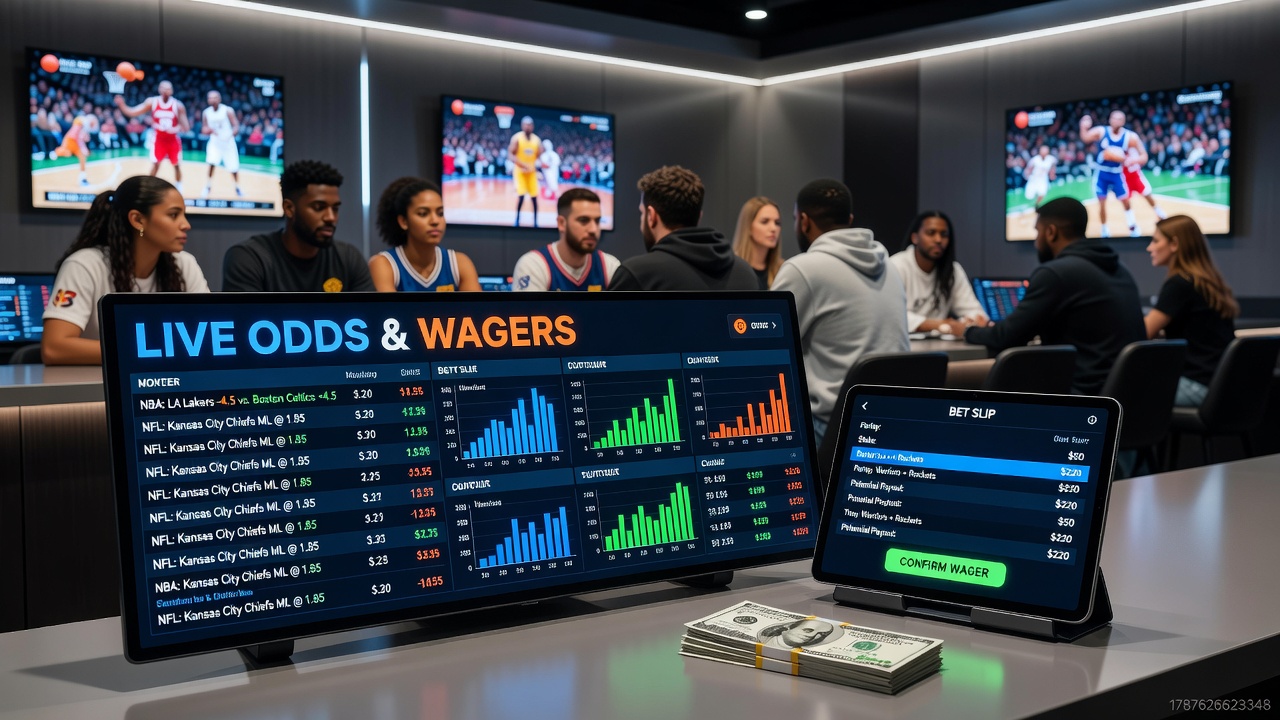
Markets for sports betting have expanded steadily through the first half of 2026 with operators reporting increased participation across multiple continents, and data from regulatory filings indicate that digital platforms now account for the majority of wagers placed on major leagues in football, basketball, and tennis. Observers note that this shift coincides with broader adoption of mobile applications that allow real-time updates, and those applications integrate live odds adjustments based on in-game statistics gathered from official league feeds.
Regulatory Frameworks in Key Regions
Authorities in North America have maintained separate licensing systems at state and provincial levels, whereas European jurisdictions outside the United Kingdom continue to refine tax structures on remote operators, and research from the European Gaming and Betting Association shows that several member states adjusted fee schedules during the second quarter of 2026 to balance operator viability with consumer protection requirements. In Australia the Interactive Gambling Act amendments have directed attention toward verification protocols that prevent unauthorized accounts, while similar measures in parts of Asia focus on blocking unlicensed sites through payment processor restrictions.
Figures released by the Nevada Gaming Control Board reveal that sports betting handle in that state reached record levels during the NBA postseason, and those totals reflect both mobile and retail channels operating under unified reporting standards. Meanwhile Canadian provinces such as Ontario have documented steady account growth since their market opened to private operators, with monthly reports indicating that basketball and hockey events generate the largest share of activity.
Technology Driving Platform Changes
Developers have incorporated artificial intelligence tools that analyze historical performance data alongside current injury reports, and these systems deliver probability estimates that operators use to set dynamic lines. Users often encounter features that let them build accumulators across different sports within a single ticket, and the same interfaces provide cash-out options that adjust in real time based on unfolding match events. Payment integrations have expanded to include digital wallets and instant bank transfers, reducing the interval between deposit and bet placement to seconds in many jurisdictions.

Studies conducted by university researchers in the United States have examined how these technological layers influence bettor behavior, and preliminary findings suggest that shorter decision windows correlate with higher volumes of smaller-stake wagers. At the same time, operators have introduced responsible gambling modules that track session length and spending patterns, then surface voluntary limits when thresholds are approached. Data compiled by the National Council on Problem Gambling indicates that self-exclusion registrations have risen in parallel with overall market growth, prompting further investment in automated monitoring tools.
Market Data and Participation Trends
Industry reports compiled in August 2026 show that combined global sports betting revenue exceeded prior year benchmarks in most reporting categories, driven largely by events in the UEFA Champions League and major tennis tournaments. Participation rates among adults aged 25 to 44 have remained the highest demographic segment according to surveys conducted across several countries, while older cohorts show slower uptake of mobile-only products. Sponsorship arrangements between leagues and betting companies continue under strict disclosure rules in many markets, and those arrangements often include funding for educational campaigns aimed at younger audiences.
One analysis from an academic consortium tracking cross-border data flows found that peak wagering activity aligns with evening kickoff times in European football and afternoon start times for North American basketball, creating overlapping windows that operators manage through staggered server capacity. Those same researchers observed that accumulator bets spanning multiple sports have grown faster than single-event wagers, reflecting user preference for higher potential returns despite lower probability outcomes.
Conclusion
Regulatory adjustments, technological integration, and shifting participation patterns together define the current state of sports betting markets as of August 2026. Continued monitoring by independent bodies will determine how these elements interact over the coming quarters, and the available data provide a factual baseline for understanding the sector's trajectory without reliance on any single jurisdiction's framework.