UK Betting Market Emphasises Execution Quality and User Experience in First Half of 2026
Sam Werner · Jun 23, 2026
UK Betting Market Emphasises Execution Quality and User Experience in First Half of 2026
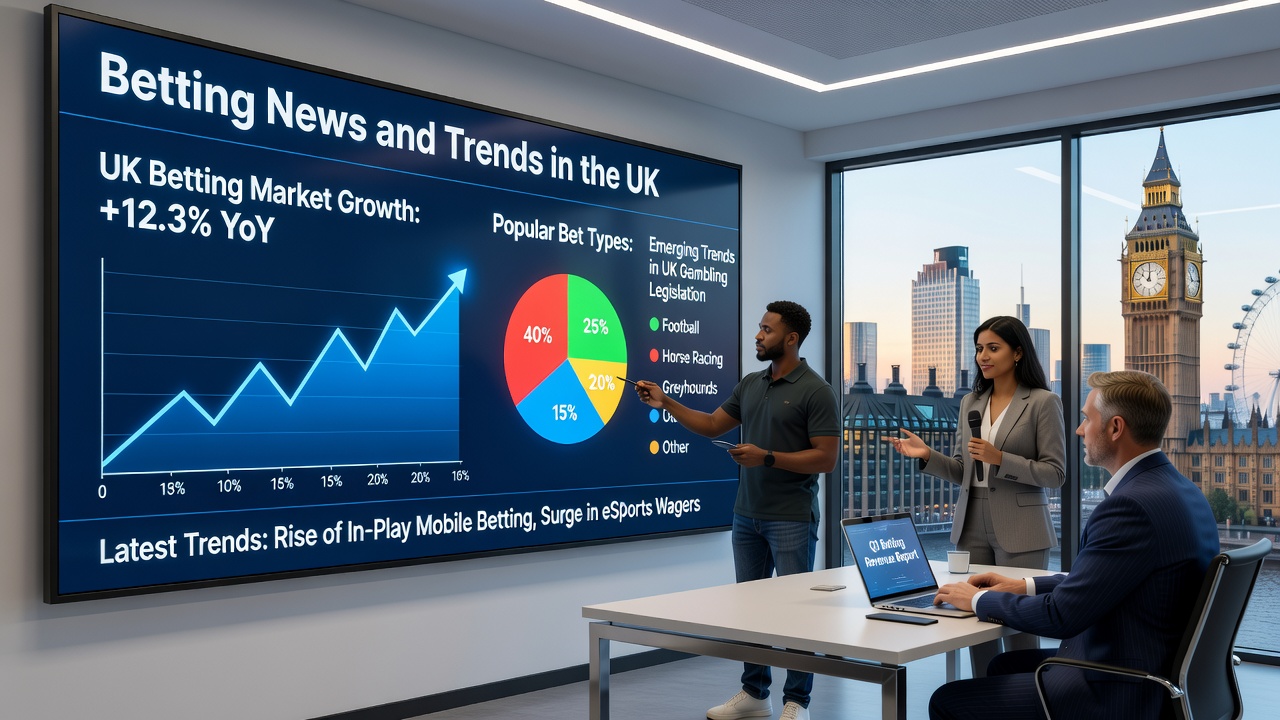
OLBG's review of the first half of 2026 shows the UK betting sector moving away from broad expansionary promotions toward refined execution and stronger user experiences, with several stabilising patterns emerging across operators. These changes reflect adjustments to the April 2026 increase in Remote Gaming Duty, which rose to 40 percent and prompted more measured approaches to customer acquisition and retention. Data from the period indicates operators prioritising behind-the-scenes efficiencies while maintaining competitive edges through targeted offerings rather than blanket incentives.
Financial Risk Assessments Integrate Seamlessly with Open Banking
Frictionless Financial Risk Assessments using Open Banking have become standard practice for high-spending accounts, allowing operators to conduct checks without disrupting the user journey. These assessments occur behind the scenes and affect only accounts that trigger higher spending thresholds, which helps maintain compliance while preserving smooth interactions for the majority of users. Observers note that this normalisation reduces friction during account verification processes and supports ongoing responsible gambling measures without broad application across all customer segments. The approach aligns with broader industry efforts to balance regulatory requirements and operational flow, particularly as duty changes influence overall spending patterns.
Same-Day Withdrawals Drive Customer Retention
Faster same-day withdrawals have emerged as a central retention tool during the first half of 2026, with operators highlighting processing speeds as a key differentiator. Customers benefit from quicker access to funds, which encourages continued platform engagement and reduces the likelihood of switching providers. This development coincides with increased emphasis on execution quality, where reliable and prompt service features outweigh expansive promotional campaigns in building loyalty. Research indicates that platforms offering consistent same-day options see measurable improvements in repeat activity levels compared to those with longer processing times.
In-Play Betting Accounts for Majority of Sports Revenue
In-play betting has solidified its position as the dominant revenue source, contributing over 57 percent of sports betting income in the reviewed period. This shift underscores how live wagering appeals to users seeking immediate engagement during events, with operators refining interfaces and odds presentation to capitalise on real-time activity. The trend builds on established patterns but gains further momentum as execution improvements make in-play options more accessible and responsive. Figures reveal sustained growth in this category even as overall promotional spending moderates, suggesting that product quality and market timing play larger roles than volume-based incentives.
Promotional Strategies Adapt to Duty Increases
Promotional spending has moderated toward targeted price boosts and acca insurance offers, moving away from high-rollover bonuses that previously characterised aggressive acquisition tactics. The April 2026 Remote Gaming Duty adjustment to 40 percent prompted this recalibration, encouraging operators to focus resources on value-added features that appeal to existing users rather than broad bonus structures. According to industry analysis from OLBG, these targeted promotions maintain engagement levels while aligning with tighter margin environments. As of June 2026, operators continue refining these approaches to sustain competitiveness without inflating costs associated with high-volume bonus schemes.
Overall Market Stabilisation Patterns
Collectively, these elements point to a market settling into more sustainable operational rhythms following years of rapid expansion. Execution quality and user experience now serve as primary differentiators, with Open Banking integrations, withdrawal speeds, in-play dominance, and refined promotions forming interconnected support structures. Data shows that operators adopting these measures experience steadier performance metrics amid the updated duty framework, while high-spending account management remains contained and efficient. The first half of 2026 thus captures a transitional phase where quality-focused adjustments replace earlier growth-oriented strategies.
Conclusion
The patterns identified in OLBG's first-half 2026 analysis illustrate how UK betting operators have responded to regulatory and market pressures by prioritising operational refinements. Frictionless assessments, accelerated withdrawals, in-play revenue leadership, and adjusted promotions together create a framework oriented around sustained user satisfaction and compliance. These developments continue to influence sector dynamics into June 2026 and beyond, providing a clearer view of how execution and experience shape competitive positioning under the current duty structure.