UK Gambling Industry Logs £3.2 Billion GGY in Q2 2025 as Remote Casinos Surge, Commission Data Shows
Sam Werner · Mar 22, 2026

UK Gambling Industry Logs £3.2 Billion GGY in Q2 2025 as Remote Casinos Surge, Commission Data Shows
Quarterly Snapshot from the Gambling Commission
The UK Gambling Commission dropped its latest quarterly industry statistics for Q2 of the financial year April 2025 to March 2026, covering July through September 2025, and figures reveal a total gross gambling yield (GGY) of £3.2 billion across the British gambling industry, excluding lotteries; this metric, which tracks the net win for operators after payouts, paints a picture of steady activity even as the sector eyes the fiscal year-end in March 2026.
Observers note how these numbers, released amid ongoing regulatory scrutiny, underscore the industry's resilience, with breakdowns highlighting shifts between physical and online operations; non-remote betting alone contributed £592 million, accounting for 48.2% of the total non-remote GGY, while the remote sector—encompassing casino, betting, and bingo—racked up £2.0 billion, a chunk driven heavily by remote casinos at £1.4 billion.
But here's the thing: the report doesn't stop at top-line totals, delving into operational details like the 5,782 betting shops still in play nationwide, alongside data on seasonal patterns, premises licenses, and gaming machine deployments, offering a fuller view of where the money flows and why certain segments thrive.
Non-Remote Betting Holds Steady at £592 Million
Non-remote betting, the brick-and-mortar cornerstone of UK wagering, generated £592 million in GGY for the quarter, securing 48.2% of the broader non-remote category's yield; experts tracking these stats point out how this figure reflects foot traffic in high streets and racecourses, where punters place bets on everything from football matches to horse races in person.
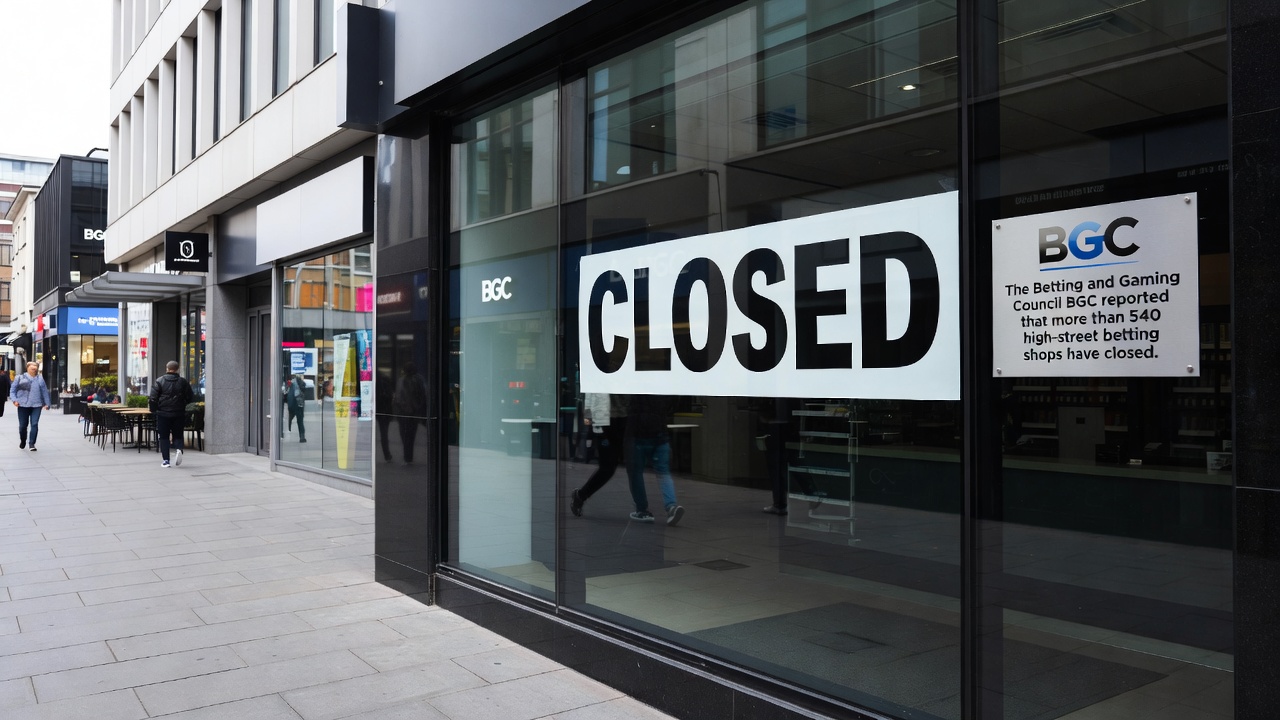
Take the betting shops: 5,782 such venues operated during Q2, a number that holds firm despite closures in prior years, and data indicates these sites host thousands of gaming machines—typically slots and fixed-odds machines—that contribute significantly to local yields; one observer familiar with the landscape notes how summer events, like major sporting tournaments, often boost these physical spots, aligning with the seasonal trends outlined in the report.
And while remote options dominate headlines, non-remote persists because people still crave that in-person buzz, whether it's chatting with bookies or watching races unfold live; the 48.2% share shows balance, not decline, especially as premises data reveals steady licensing across regions from London to Scotland.
Remote Sector Powers Ahead with £2.0 Billion Yield
Remote gambling—think apps, websites, and online platforms—led the charge at £2.0 billion GGY, dwarfing non-remote totals and signaling how digital access reshapes the industry; within that, remote casinos pulled in £1.4 billion, a standout performer fueled by slots, blackjack, and roulette played from smartphones or laptops anywhere in the UK.
What's interesting here is the combo of remote betting and bingo rounding out the rest, with figures showing seamless integration across platforms; seasonal trends in the report highlight July-September upticks tied to football seasons kicking off and summer festivals, drawing more users online when physical shops see lighter crowds.
Data from the Commission underscores this shift: remote casino's £1.4 billion not only tops the remote pile but also outpaces entire non-remote segments, a pattern researchers attribute to 24/7 availability and promotions that keep engagement high; those who've analyzed past quarters see this as continuation, not anomaly, with March 2026 projections hinging on sustained online growth.
Betting Shops and Premises: 5,782 Venues in Operation
Around 5,782 betting shops dotted the UK landscape in Q2 2025, per the official stats, each typically equipped with gaming machines that generate steady revenue alongside over-the-counter bets; these premises, licensed under strict regulations, form the non-remote backbone, and the report's premises data breaks down types from standalone shops to those embedded in pubs or arcades.
Turns out, regional variations play a role—urban areas boast denser clusters, while rural spots lean on fewer but larger venues—and seasonal data reveals how horse racing meets or Premier League starts swell shop visits; gaming machines, numbering in the tens of thousands across these sites, contribute via categories like B2 (high-stake) and B3 (lower-stake) machines, with yields tracked meticulously.
People in the know highlight how this shop count, stable quarter-over-quarter, counters narratives of total shutdowns, although closures happen selectively; the Commission's figures, current as of September 2025, provide a baseline for stakeholders watching toward the March 2026 year-end.
Seasonal Trends and Gaming Machines Breakdown
Seasonal trends emerge clearly in the Q2 data, with July-September showing gambling activity peaking around sports calendars—think Wimbledon finals, early football leagues, and autumn horse racing previews—that lift both remote and non-remote yields; the report details how warmer months correlate with outdoor events driving bets, while online platforms capture spillover from those skipping the queues.
Gaming machines get their own spotlight: deployed in shops, casinos, and adult gaming centers, these devices logged yields intertwined with the £3.2 billion total, and stats reveal distribution across machine types, from low-entry fruit machines to high-roller progressives; one case in the data patterns shows summer dips in machine play offset by betting surges, balancing the books.
Yet the real insight lies in how these trends inform operators: premises with heavy machine reliance see steadier GGY, less swayed by weather or events, whereas pure betting shops ride seasonal waves; as the financial year progresses to March 2026, such patterns help forecast adjustments in machine allocations or shop optimizations.
Broader Context Within the £3.2 Billion Total
Zooming out, the £3.2 billion GGY excludes lotteries but captures the full spectrum of betting, casinos, bingo, and machines, positioning Q2 as a solid performer in the April 2025-March 2026 cycle; remote's £2.0 billion dominance—bolstered by that £1.4 billion casino slice—contrasts sharply with non-remote's more modest contributions, yet the £592 million from betting shops reminds everyone physical wagering endures.
Experts parsing the numbers observe how this quarter fits historical rhythms, with no wild outliers but clear momentum in digital channels; the 48.2% non-remote betting share within its category signals health, especially alongside 5,782 shops humming with activity and machines churning yields.
So as March 2026 approaches, these stats serve as a midpoint check, guiding regulators, operators, and analysts on trajectories; data like this, granular on trends and premises, equips the industry to navigate ahead.
Key Takeaways from Q2 Statistics
In wrapping up, the Gambling Commission's Q2 report clocks £3.2 billion GGY, spotlights remote casinos at £1.4 billion within a £2.0 billion remote total, and affirms non-remote betting's £592 million haul from 5,782 shops; seasonal trends and machine data add layers, showing an industry that's adaptive, balanced, and data-driven as it heads toward March 2026.
Figures like these don't just tally money—they map the ecosystem, from high-street bets to app-based spins, ensuring transparency in a regulated space; stakeholders now turn these insights into action, with the full report available for deeper dives.