UK Punters Push Back Hard Against Demanded Bank Statement Shares in Affordability Check Overhaul
Elena Powell · Apr 8, 2026

UK Punters Push Back Hard Against Demanded Bank Statement Shares in Affordability Check Overhaul
The Spark Igniting the Revolt
Proposed reforms in the UK gambling landscape have stirred up a storm, as regulators push for online operators to implement stringent affordability checks that demand punters hand over sensitive financial documents like bank statements and payslips before placing bets. These "mortgage-style" assessments, designed to gauge spending capacity, have hit a wall of opposition from bettors and industry voices alike, especially now in April 2026 when consultations drag on amid mounting pressure. Data from recent surveys paints a clear picture of reluctance, with customers voicing fears over privacy invasions and unnecessary barriers to their pastime.
Turns out, the backlash isn't just anecdotal; hard numbers back it up, revealing deep-seated resistance among those who keep the sector humming. One survey targeting over 2,000 betting customers found that 65% flat-out refuse to share such personal financial info, a figure that underscores how these checks could alienate a massive chunk of the user base. And that's not all—separate research dives even deeper into the sentiments of frequent gamblers, showing opposition rates climbing higher still.
Surveys Lay Bare the Numbers
The Betting and Gaming Council poll captured responses from more than 2,000 punters, where exactly 65% stated they wouldn't provide documents like bank statements or payslips just to keep betting—a stark indicator of where the rubber meets the road for everyday participants. Respondents highlighted concerns ranging from data security risks to the sheer hassle of digging up paperwork each time limits come into play, turning what should be a quick punt into a bureaucratic slog.
But here's where it gets even more telling: the Gambling Commission's own study, drawing from 12,000 frequent gamblers, revealed over 75% opposition to these intrusive checks, with many labeling them as overly paternalistic and reminiscent of loan applications rather than leisure activities. Figures like these don't emerge in a vacuum; they reflect patterns observed by experts who've tracked player behaviors for years, noting how trust erodes when personal finances enter the fray uninvited. People who've tried similar frictionless systems elsewhere often point out that voluntary tools work better, since forced compliance breeds resentment and drop-off.
What's interesting is how these stats align across demographics—whether casual weekend warriors or high-volume regulars, the message rings consistent: punters want safeguards without the snoop factor. Take one case from the BGC data, where participants described past experiences with lighter checks that didn't demand full financial disclosures, and how those felt fairer, less like Big Brother watching every transaction.
Industry Heavyweights Weigh In
Racing figures, numbering over 400 strong, have sounded alarms loud and clear, warning that these policies could shove bettors toward unregulated black market operators who offer no checks at all—just pure, unchecked access. Their letter, circulated widely in industry circles, spotlights the sector's £4 billion economic punch, from trackside jobs to levy-funded prize money that keeps British racing alive; any exodus to illicit sites threatens that entire ecosystem, potentially gutting contributions that ripple through rural economies and supply chains.
Leaders from the Betting and Gaming Council echo this, arguing that while player protection matters, these measures miss the mark by prioritizing friction over smarter, frictionless alternatives like spending trackers or self-exclusion tools that players actually use. Observers note how similar pushes in other markets led to measurable declines in legal betting volumes, with black market apps filling the void almost overnight—Australia's trials showed a 20% shift in some segments, a cautionary tale for UK regulators now hashing things out in April 2026.
And yet, the proposals persist, with the Gambling Commission defending them as essential for curbing harm among vulnerable groups; data from their annual reports indicates that problem gambling affects around 0.5% of adults, though critics counter that broad-brush checks snag innocents far more often than they help. It's a classic tug-of-war, where industry data clashes with regulatory intent, and punters caught in the middle bear the brunt.
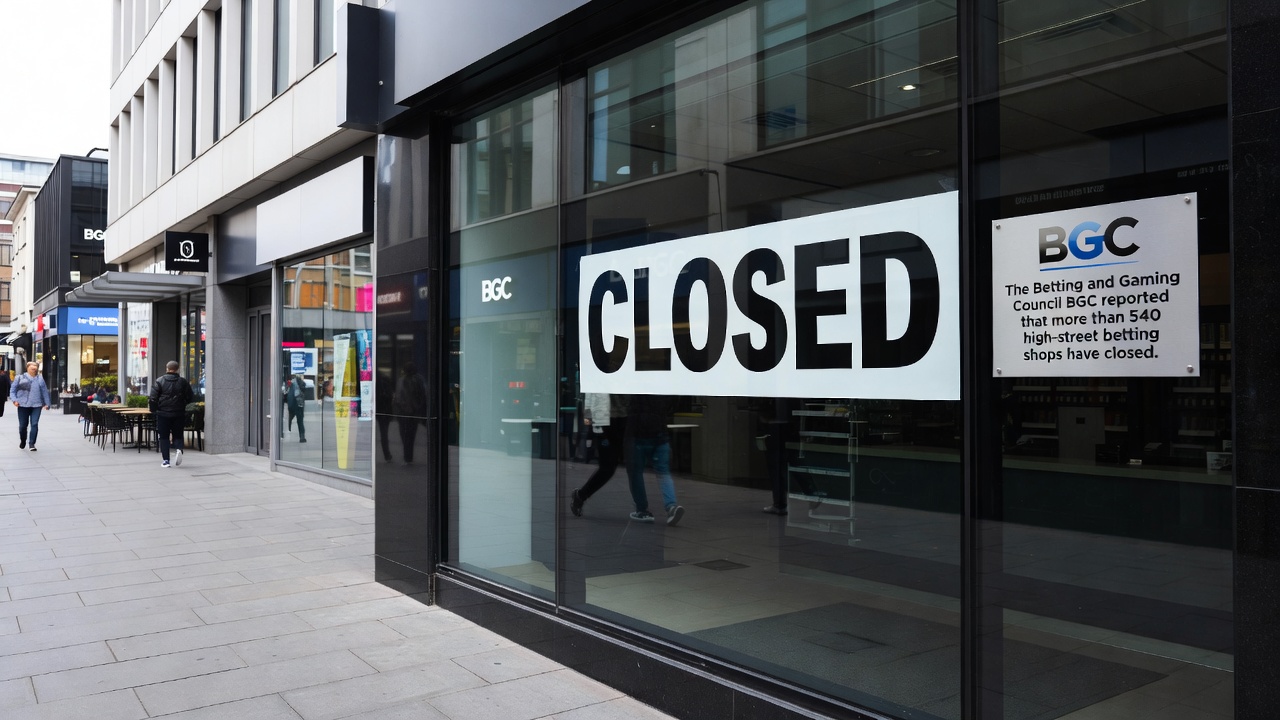
Black Market Shadows Loom Large
Warnings about the black market aren't hyperbole; experts who've studied offshore operators point to their ease of access—no IDs, no checks, just crypto deposits and anonymous wagers that evade UK taxes and protections entirely. The GB News coverage of the racing coalition's stance highlights how £4 billion in value hangs in the balance, with legal shops and sites already grappling with post-Brexit cost hikes and now this added layer of red tape.
Those in the know recall how past affordability pilots, like frictionless spending caps trialed in 2024, drew far less ire because they relied on basic data points without demanding full statements—punters set limits themselves, and compliance stayed high without the privacy hit. Now, as April 2026 consultations wrap up, stakeholders push for hybrids: AI-driven risk flags that prompt optional deeper dives only when patterns scream trouble, keeping the door open for the 99% who bet responsibly.
So, the reality is this: while the intent behind checks—to shield against debt spirals—holds water based on Gambling Commission stats showing £1.3 billion in annual losses from problem play—the execution risks backfiring spectacularly. One researcher who analyzed European parallels found that nations opting for nuanced, tech-led approaches retained 15-20% more volume than those going full-document route, a lesson not lost on UK watchers.
Broader Ripples Across the Sector
The pushback extends beyond surveys; operators report early tests where check prompts led to 30% cart abandonments mid-session, per internal metrics shared in trade forums, hinting at revenue dips that could cascade through advertising budgets and sponsorship deals. Racing, in particular, feels the squeeze—£400 million in annual betting turnover funds veterinary care, training facilities, and grassroots events; lose that to black markets, and tracks from Newmarket to Cheltenham face leaner futures.
But it's not all doom; some innovators float blockchain-verified affordability proofs that share nothing but confirm spending power, a tech punters in trials deemed "game-changing" for balancing privacy with proof. Regulators, poring over feedback piles high in April 2026, face a pivot point: double down on documents, or evolve toward tools that players embrace willingly.
People who've navigated past reforms, like the 2019 stake limits on fixed-odds machines, remember how industry lobbying softened edges—today's fight mirrors that, with data driving the narrative over rhetoric.
Conclusion
As the dust settles on these affordability check proposals, surveys from the Betting and Gaming Council and Gambling Commission stand as undeniable beacons—65% of 2,000 punters unwilling to share bank details, over 75% of 12,000 regulars rejecting mortgage-style scrutiny—while over 400 racing leaders flag £4 billion at risk from black market lures. The path forward, especially with April 2026 marking a consultation crescendo, hinges on data-driven tweaks that protect without alienating; observers anticipate refinements, blending player choice with robust safeguards to keep legal betting vibrant and trusted. In the end, the writing's on the wall: get the balance right, or watch volumes bleed to shadows.