UK Remote Gaming Duty Jumps to 40%: Betting Operators Brace for Shop Closures and a Potential Revenue Spiral
Elena Powell · Apr 1, 2026

UK Remote Gaming Duty Jumps to 40%: Betting Operators Brace for Shop Closures and a Potential Revenue Spiral
The Budget Bombshell: RGD Rate Doubles Overnight
The UK's Autumn Budget delivered a seismic shift for online casino operators when it announced the Remote Gaming Duty (RGD) would climb from 21% to 40%, effective April 1, 2026; this tax targets revenue from remote gambling activities, hitting UK-licensed firms square in the wallet while unregulated offshore sites dodge the blow entirely. Operators, already navigating tight margins, now face a doubled tax burden that data from industry watchers predicts will force widespread cost-cutting measures, including slashed marketing budgets and, in some cases, the shuttering of physical retail outlets.
What's interesting here is how quickly the reaction unfolded; barely had the ink dried on the budget papers before companies started mapping out survival strategies, with the ball firmly in their court to adapt or risk bleeding cash. Figures reveal that this hike applies specifically to online casino gambling under RGD, leaving other sectors like sports betting under different duties, yet the ripple effects promise to touch the entire regulated ecosystem.
Evoke's Bold Move: 200 William Hill Shops Set to Close
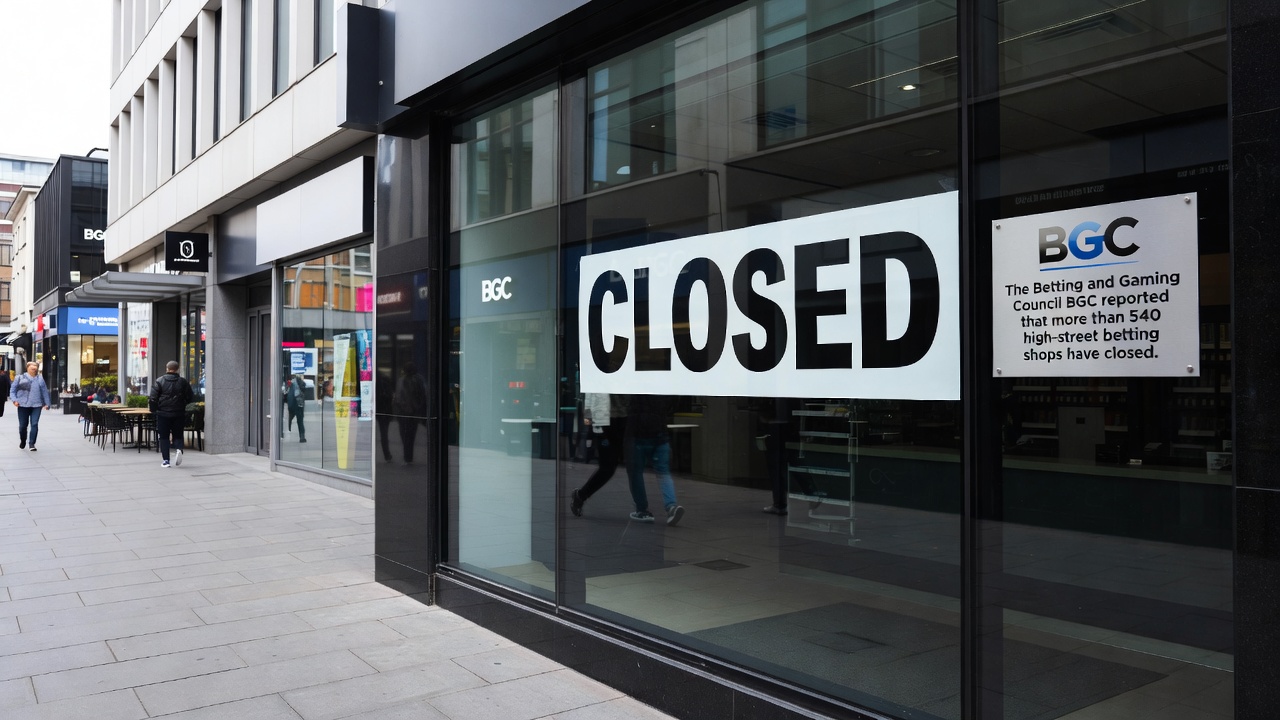
Evoke, the parent company behind William Hill, wasted no time in responding; plans emerged to close 200 betting shops across the UK, with the first wave kicking off on May 24, a direct response to the impending RGD squeeze that threatens to erode profits from their online casino arms. These closures, affecting high-street staples where punters have placed bets for decades, underscore the harsh reality facing operators who must now trim fat to stay afloat, even as retail shops generate revenue outside the RGD net but still feel the pinch through shared corporate resources.
Take Evoke's situation: as a major player with deep roots in both remote and land-based gambling, the firm faces a perfect storm where higher taxes on digital casino play force reallocations that hit physical locations hardest; observers note that such moves aren't isolated, with other operators signaling similar belt-tightening, from reduced advertising spends to streamlined staff levels, all aimed at offsetting the 19% tax leap. And while the closures start this spring, the full RGD impact won't land until next April, giving firms like Evoke a narrow window to reposition before the real revenue hit materializes.
But here's the thing: these shop shutdowns, while painful for local communities and employees, represent just one thread in a larger tapestry of operator adjustments; marketing reductions, in particular, could dampen customer acquisition just as the tax bite deepens, creating a feedback loop that's hard to escape.
Dan Waugh Sounds the Alarm: The 'Spiral Effect' Looms Large
Regulatory expert Dan Waugh, speaking out amid the turmoil, warns of a "spiral effect" that could unravel the UK's regulated gambling market; as operators cut costs and pass on pressures through higher prices or fewer promotions, customer spending dips, further starving legal revenue streams while funneling punters toward illegal, unregulated alternatives bereft of player protections. According to industry analysis, this dynamic risks a vicious cycle where diminished regulated takings prompt even more belt-tightening, accelerating the shift to black-market operators who pay zero tax and offer scant safeguards.
Experts who've studied such tax hikes observe that the pattern plays out predictably: higher duties squeeze legitimate businesses, prompting reduced marketing that curbs new player inflows; existing customers, facing less enticing offers, spend less or migrate elsewhere, eroding the tax base the government seeks to bolster. Waugh's caution resonates because data indicates unregulated sites already lure a slice of the action with lower overheads, and this RGD jump could supercharge that trend, leaving UK players exposed to risks like unfair odds, data breaches, and no recourse for disputes.
Now consider the timeline: with closures ramping up now and the tax fully in force by April 2026, the spiral could gain momentum swiftly; one study of past duty increases revealed similar outcomes, where regulated market share dropped as offshore havens gained ground, a scenario Waugh flags as particularly perilous given the UK's emphasis on consumer protection frameworks.
Player Migration: The Unseen Threat to Regulated Markets
Amid the operator upheaval, concerns mount over player migration to unregulated sites, where the absence of RGD means better odds or bonuses for punters but zero oversight from bodies like the UK Gambling Commission; licensed firms, burdened by the 40% levy, struggle to compete on pricing, potentially driving traffic underground where protections evaporate. Those who've tracked gambling flows note that such shifts aren't hypothetical—past tax tweaks have correlated with upticks in offshore play, and this doubling amplifies the incentive manifold.
Turns out, the reality is stark: UK-licensed operators foot the RGD bill on gross gambling yield from online casinos, a tax that's now among Europe's steepest, pushing firms to either absorb losses, hike effective costs to players through subtler means, or watch market share evaporate; Evoke's shop closures exemplify the absorption strategy, but if spending falls industry-wide, the government's revenue windfall might prove short-lived. And while sports betting escapes this exact duty, the interconnected nature of operator portfolios means casino woes bleed into broader operations, hastening consolidations or exits.
People often find that in these scenarios, the writing's on the wall for high-street viability; with online channels bearing the tax brunt, retail becomes expendable collateral, yet closing shops severs touchpoints that funnel customers to regulated digital play, compounding the spiral Waugh describes.
Broader Ripples: Marketing Cuts and Industry-Wide Pressures
Marketing reductions form another pillar of the response, as operators dial back ad campaigns to preserve cash amid the RGD onslaught; campaigns that once lured players with free bets and bonuses now face severe pruning, potentially stunting growth when the tax demands peak fiscal discipline. Data from recent reports highlights how such cuts, combined with shop closures, could slash overall visibility, making it tougher for regulated sites to retain loyalty against unregulated rivals.
So what does this mean operationally? Firms like Evoke, with their William Hill legacy, pivot by streamlining footprints—200 shops gone translates to lower rents, utilities, and staffing overheads, freeing funds to weather the April 2026 storm; yet experts caution that if multiple operators follow suit, high streets lose vibrant hubs, and the regulated sector's cultural footprint shrinks, all while illegal markets thrive unchecked. It's noteworthy that the Autumn Budget framed this as a revenue raiser, but Waugh and others point to the unintended boomerang where less spending yields less tax in the long run.
Observers who've seen duty hikes before know the playbook: initial compliance gives way to adaptation, then erosion if unchecked; here, with the rate hitting 40%, the pressure cooker intensifies, testing whether innovation in player retention or lobbying for tweaks can stem the tide.
Conclusion: Navigating the Tax Tempest Ahead
As the RGD rockets to 40% on April 1, 2026, UK online casino operators like Evoke chart a course of closures and cuts, from 200 William Hill shops vanishing starting May 24 to marketing budgets on a leash, all while Dan Waugh's spiral effect warning hangs heavy; the push toward unregulated havens threatens player safety and regulated revenue alike, underscoring a delicate balance where tax hikes meet market realities. Those monitoring the sector anticipate close scrutiny on how firms adapt, whether through mergers, tech efficiencies, or advocacy, as the full implications unfold in the months bridging now and next spring.
In the end, the story boils down to adaptation under fire; operators tighten operations to survive the duty doubling, but the risk of a downward revenue vortex looms if customer shifts accelerate, leaving policymakers to weigh short-term gains against long-term ecosystem health.