Wearable Tech Streams Reshaping Instant Bets on Tennis Courts, Football Pitches, and Racing Tracks
Klara Keller · Jul 14, 2026
Wearable Tech Streams Reshaping Instant Bets on Tennis Courts, Football Pitches, and Racing Tracks
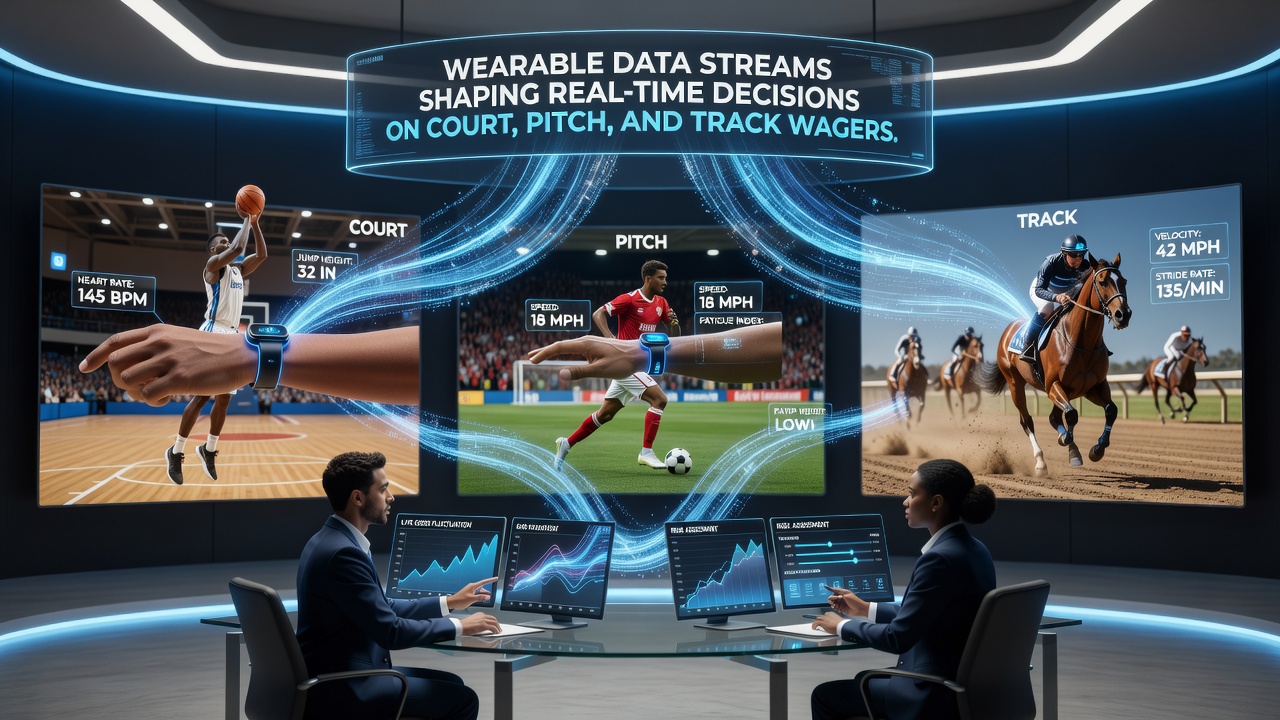
Professional sports now feed continuous biometric information from wearable devices straight into betting platforms, and this flow lets participants adjust wagers while matches unfold on court, pitch, or track. Heart-rate monitors, GPS units, and muscle-activity sensors generate streams that operators integrate with live odds, creating windows for informed in-play decisions that were unavailable even a few years earlier.
Data Capture on the Tennis Court
Tennis players at major tournaments wear lightweight patches and wristbands that record stroke velocity, serve recovery time, and hydration levels in real time, while spectators and bettors receive anonymized versions of these metrics through approved apps. When a player’s heart rate spikes above established thresholds during long rallies, some platforms adjust set and game odds within seconds, giving those who monitor the feed an opportunity to react before the next point begins. Observers note that this integration became more visible during the 2026 grass-court season, where several Grand Slam events partnered with sensor manufacturers to display select data points on stadium screens and mobile interfaces.
Football Pitch Applications
Football teams equip players with chest straps and boot-mounted chips that track distance covered, sprint frequency, and body-load metrics throughout each match. These numbers reach betting operators via secure feeds, allowing odds on next-goal timing or player performance markets to shift when a midfielder’s workload exceeds normal limits or when defensive lines show fatigue patterns. In July 2026 several European leagues expanded their data-sharing agreements, which means live accumulators now incorporate fatigue indicators alongside traditional statistics such as possession or shots on target. Bettors who follow multiple streams can therefore evaluate whether a late substitution is likely to alter scoring probability before the change appears on any broadcast graphic.
Trackside Monitoring in Horse Racing
Racehorses carry saddle-cloth sensors that measure stride length, respiratory rate, and core temperature during both training and competition. When these values deviate from a horse’s historical baseline, bookmakers update place and win markets in the moments before the stalls open. Australian and Canadian racing authorities have published guidelines that govern how such biometric information may be shared with licensed operators, ensuring the data remains consistent across jurisdictions. One study from the University of Guelph’s Equine Guelph program demonstrated that horses showing elevated lactate readings in the parade ring produced measurably different finishing positions compared with their expected outcomes, prompting several North American tracks to incorporate similar readings into pre-race information packages.
Regulatory and Technical Landscape in Mid-2026
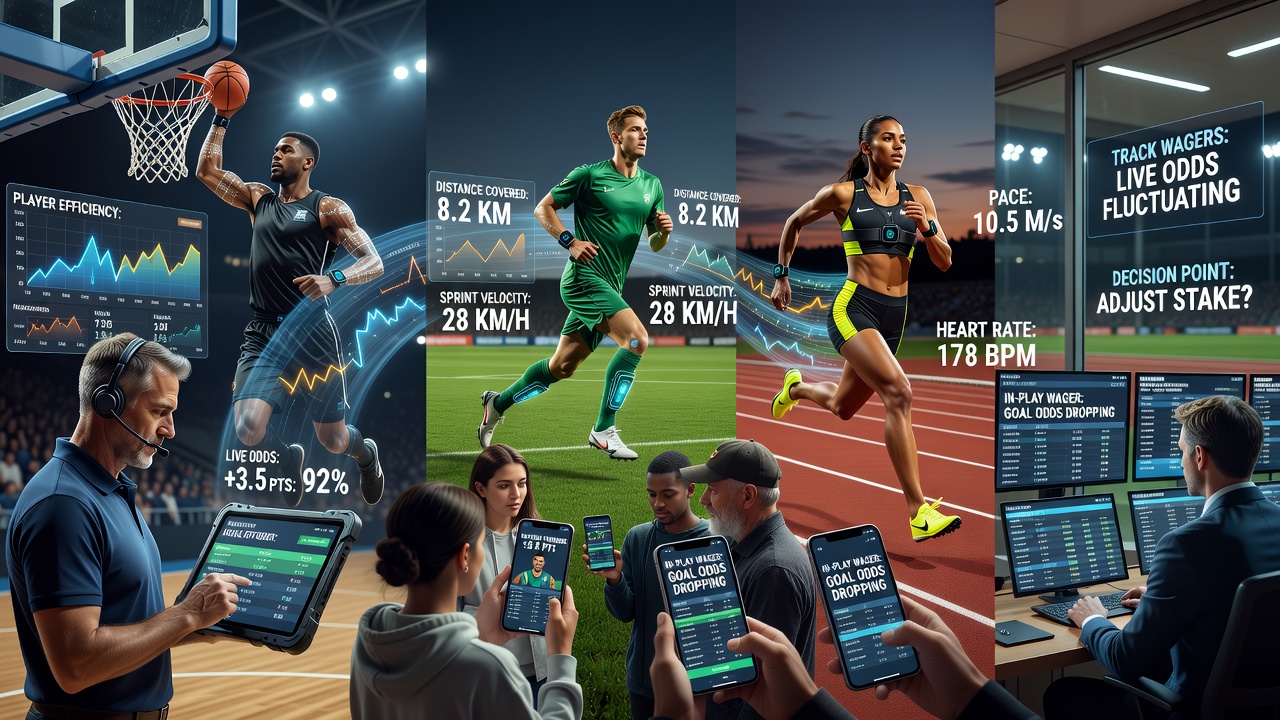
By July 2026 most major sports federations require explicit athlete consent before biometric streams reach third-party platforms, and operators must store the data on servers located within the same regulatory region as the event. This requirement has encouraged European and Australian technology firms to develop edge-computing solutions that process raw sensor output locally before transmitting only aggregated insights to betting systems. The result is faster latency for odds updates while still satisfying privacy rules set by bodies such as the Australian Communications and Media Authority and various state gaming control boards in the United States.
Practical Use Cases for Bettors
Consider a tennis match where a player’s serve speed drops two kilometres per hour below their season average; platforms that receive this data can widen the spread on the next service game within one exchange cycle. In football, when a centre-back’s high-intensity running distance falls below 800 metres in the first half, certain accumulators that include clean-sheet markets adjust before the second half kick-off. On the track, a horse whose stride symmetry reading declines during the warm-up may see its place odds lengthen before the race is off, giving participants who watch the feed a narrow window to revise their selections. Each of these adjustments relies on the same core pipeline: sensor to cloud, cloud to operator, operator to bettor interface.
Conclusion
Wearable data streams now sit at the centre of live wagering infrastructure across tennis, football, and horse racing, supplying objective measurements that operators convert into dynamic odds. Regulatory frameworks in multiple regions continue to shape how much detail reaches the public, yet the underlying technology continues to advance. Those who track the evolving relationship between sensor output and market movement gain access to information layers that complement traditional form analysis and video review.